

Exploring the Beauty of Traditional Clothing Art in Africa
- nubiannilez
- Jul 23
- 5 min read

Introduction to Traditional Jewelry Art in Africa
Jewelry has long been a significant aspect of cultural expression across the African continent. The intricate designs, materials, and symbolism embedded in these adornments reflect the rich heritage and diverse traditions of various African communities. In this article, I will explore the beauty of traditional jewelry art in Africa, focusing on its historical context, cultural significance, and the craftsmanship involved. This exploration aims to provide a comprehensive understanding of how jewelry serves not only as decoration but also as a medium of identity, status, and storytelling.
Historical Context of African Jewelry
The history of jewelry in Africa dates back thousands of years, with evidence of adornments found in archaeological sites across the continent. Traditionally, materials such as beads, metals, and shells were used to create jewelry, each carrying specific meanings and uses. Over time, the styles and techniques have evolved, influenced by trade, colonization, and globalization.
Cultural Significance of Jewelry
Identity: Jewelry often signifies the wearer's cultural background, tribe, or ethnicity.
Status: Certain pieces can indicate social status, wealth, or rank within a community.
Rituals: Jewelry plays a vital role in various ceremonies, including weddings, initiations, and funerals.
Storytelling: Many pieces carry stories or legends that are passed down through generations.
Craftsmanship in Traditional Jewelry Making
The craftsmanship involved in creating traditional jewelry is a blend of artistry and skill. Artisans often learn their trade through apprenticeships, honing their techniques over many years. The process may involve:
Design: Initial sketches and concepts that reflect cultural motifs and personal stories.
Material Selection: Choosing appropriate materials, which can include metals, beads, stones, and organic materials.
Techniques: Employing various methods such as beadwork, metalworking, and carving to bring designs to life.
Conclusion
Traditional jewelry art in Africa is a vibrant and essential aspect of the continent's cultural heritage. Through its historical context, cultural significance, and the intricate craftsmanship involved, jewelry transcends mere decoration, becoming a powerful medium for expression and storytelling. As we continue to explore and appreciate these art forms, we also honor the diverse identities and traditions that they represent.
The Rich Heritage of Traditional Jewelry Art in Africa
Traditional jewelry art in Africa is characterized by its diversity and depth. Each region and ethnic group has developed unique styles and techniques that have been passed down through generations. These pieces often incorporate natural materials such as gold, silver, beads, shells, and stones, each chosen for its symbolic meaning or availability.
For example, the Ashanti people of Ghana are renowned for their gold jewelry, which symbolizes wealth and power. Their craftsmanship includes intricate gold weights and elaborate necklaces that are both decorative and functional. In contrast, the Maasai of Kenya and Tanzania use brightly colored beads to create necklaces and bracelets that signify age, social status, and marital status.
The use of metals like gold and copper is prevalent in North African cultures, particularly among the Berber and Tuareg peoples. Their jewelry often features geometric patterns and symbols that convey protection and spiritual beliefs. These designs are not only aesthetically pleasing but also serve as talismans.
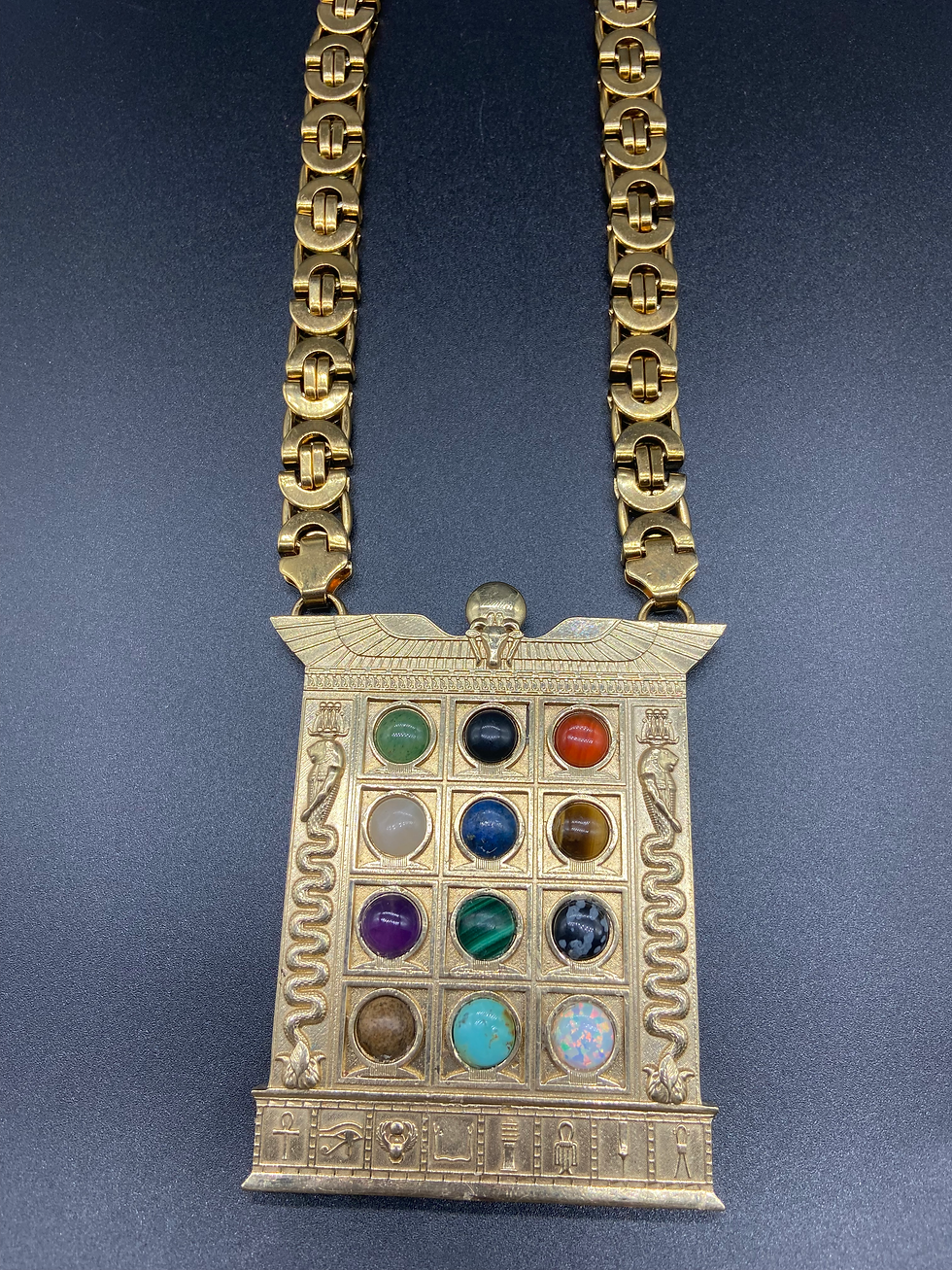
The preservation of these traditional techniques is crucial for maintaining cultural identity. Artisans continue to create jewelry using methods that have remained largely unchanged for centuries, ensuring that the cultural narratives embedded in these pieces endure.
The Craftsmanship Behind Traditional Jewelry Art
The creation of traditional African jewelry involves a high level of skill and knowledge. Artisans employ various techniques such as casting, beading, engraving, and weaving to produce pieces that are both beautiful and meaningful.
Lost-wax casting is a notable technique used in West Africa, particularly by the Yoruba and Benin peoples. This method allows for the creation of detailed metal sculptures and jewelry by shaping wax models that are later replaced by molten metal. The resulting pieces often depict historical figures, animals, or symbolic motifs.
Beadwork is another essential craft, especially in East and Southern Africa. The process requires patience and precision, as beads are strung or woven into complex patterns. Each color and arrangement carries specific meanings, making the jewelry a form of non-verbal communication.
Engraving and embossing techniques are common in North African jewelry, where metals are decorated with intricate designs that reflect cultural stories and beliefs. These methods require steady hands and artistic vision to transform raw materials into wearable art.

The dedication to craftsmanship ensures that each piece of jewelry is unique and holds cultural significance. This attention to detail also enhances the value of the jewelry, both as an art form and as a cultural artifact.
What is the Jewelry in Africa Culture?
Jewelry in African culture serves multiple purposes beyond mere decoration. It is a symbol of identity, social status, and spiritual belief. In many communities, jewelry marks important life events such as birth, marriage, and death. It also functions as a form of currency or a gift to establish alliances and friendships.
For instance, in many African societies, the type and amount of jewelry worn can indicate a person's age, marital status, or social rank. Among the Zulu people, beadwork patterns and colors convey messages about the wearer’s emotions and intentions. Similarly, the Fulani women of West Africa are known for their large, ornate earrings that signify beauty and wealth.
Jewelry also plays a role in rituals and ceremonies. It is often used to invoke protection from spirits or to honor ancestors. Certain pieces are believed to possess magical properties that can bring good fortune or ward off evil.
The cultural importance of jewelry is reflected in the care with which it is made and worn. It is not uncommon for pieces to be handed down through generations, carrying with them the history and values of the family or community.
The Influence of African Jewelry Design in Contemporary Fashion
The influence of African jewelry design extends beyond traditional contexts into contemporary fashion worldwide. Designers and artists draw inspiration from African motifs, materials, and techniques to create modern pieces that celebrate cultural heritage.
This trend has led to increased appreciation and demand for authentic African jewelry. It also provides economic opportunities for artisans who continue to produce traditional designs while adapting to new markets.
Incorporating elements such as bold geometric shapes, vibrant colors, and natural materials, contemporary jewelry often pays homage to African aesthetics. This fusion of old and new enriches the global fashion landscape and promotes cultural exchange.
For those interested in exploring authentic pieces, it is advisable to seek out reputable sources that respect the origins and craftsmanship of African jewelry. Supporting artisans and businesses that prioritize cultural integrity helps preserve these traditions for future generations.
Preserving the Legacy of African Jewelry Design
Preserving the legacy of African jewelry design requires concerted efforts from communities, artisans, and consumers alike. Education about the cultural significance and history of these pieces is essential to foster respect and understanding.
Artisans must be supported through fair trade practices and access to resources that enable them to continue their craft. Additionally, documentation and research can help safeguard traditional techniques and designs from being lost.
Consumers play a role by choosing authentic, ethically produced jewelry and by appreciating the stories behind each piece. This awareness contributes to the sustainability of the craft and the communities that uphold it.
The beauty of traditional African jewelry art lies not only in its visual appeal but also in its ability to connect people to their heritage and to each other. By valuing and preserving this art form, we honor the rich cultural tapestry of Africa.
In exploring the beauty of african jewelry design, I have gained a deeper appreciation for the skill, symbolism, and cultural importance embedded in each piece. This journey highlights the enduring relevance of traditional jewelry art and its capacity to inspire and unite across time and geography.


Comments