

Discovering the Richness of Ethnic Attire Traditions

Traditional clothing serves as a vivid expression of cultural identity and history. It reflects the values, beliefs, and social structures of communities, especially those with deep-rooted heritage such as Egyptian, African, and Nubian cultures. Exploring ethnic attire traditions offers insight into the craftsmanship, symbolism, and evolution of garments that have been passed down through generations. This exploration not only honors the past but also enriches contemporary appreciation for cultural diversity.
The Significance of Ethnic Attire Traditions
Ethnic attire traditions are more than just garments; they are repositories of cultural narratives. Each piece of clothing often carries symbolic meanings related to status, occasion, or community affiliation. For example, in Nubian culture, the use of vibrant colors and intricate embroidery in dresses signifies social standing and regional identity. Similarly, Egyptian traditional clothing incorporates specific patterns and materials that denote historical periods and religious influences.
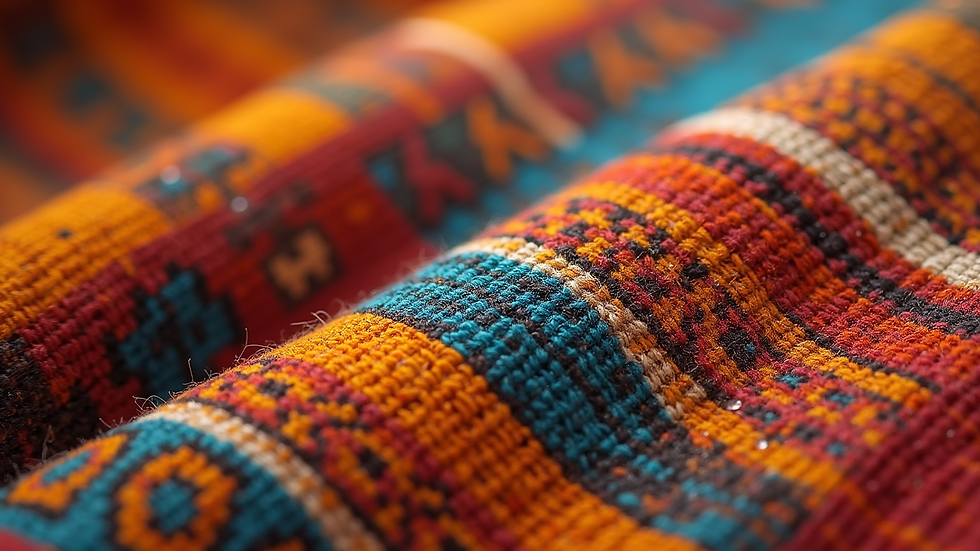
Understanding these traditions requires attention to the materials used, the methods of production, and the occasions on which these clothes are worn. Many ethnic attires are handmade using techniques such as weaving, dyeing, and embroidery, which have been refined over centuries. These methods contribute to the uniqueness and authenticity of the garments.

Materials and Craftsmanship in Ethnic Attire Traditions
The choice of materials in ethnic attire traditions is deliberate and meaningful. Natural fibers such as cotton, silk, and wool are commonly used, each selected for its availability and suitability to the climate. In Egyptian traditional clothing, linen is predominant due to its breathability and comfort in hot weather. African textiles often feature handwoven cotton and silk blends, dyed with natural pigments derived from plants and minerals.
Craftsmanship plays a crucial role in preserving these traditions. Artisans employ techniques like hand embroidery, beadwork, and appliqué to decorate garments. These embellishments are not merely decorative; they often convey stories or signify particular cultural symbols. For instance, beadwork in some African communities represents protection and prosperity.
The preservation of these skills is essential for maintaining the integrity of ethnic attire traditions. Supporting local artisans and encouraging the transmission of knowledge to younger generations ensures that these cultural expressions continue to thrive.
What are the 7 types of fashion styles?
Fashion styles vary widely, but seven primary categories often describe the broad spectrum of personal and cultural expression:
Classic - Timeless and elegant, focusing on simplicity and quality.
Casual - Comfortable and practical, suitable for everyday wear.
Bohemian - Artistic and free-spirited, often incorporating ethnic and vintage elements.
Preppy - Inspired by collegiate and Ivy League fashion, neat and polished.
Glamorous - Bold and luxurious, emphasizing sophistication and allure.
Streetwear - Urban and contemporary, influenced by hip-hop and skate culture.
Ethnic - Rooted in cultural heritage, featuring traditional clothing styles and patterns.
Ethnic fashion styles, in particular, highlight the importance of cultural identity and heritage. They often blend traditional elements with modern fashion trends, creating a dynamic and evolving style that respects the past while embracing the present.
The Role of Traditional Clothing Styles in Modern Society
In contemporary society, traditional clothing styles serve multiple functions. They act as a means of cultural preservation, a form of artistic expression, and a statement of identity. Wearing ethnic attire during festivals, ceremonies, or cultural events reinforces community bonds and educates others about cultural heritage.
Moreover, traditional clothing styles have influenced global fashion trends. Designers frequently draw inspiration from ethnic patterns, fabrics, and silhouettes, integrating them into modern collections. This fusion promotes cultural appreciation but also raises questions about cultural appropriation, emphasizing the need for respectful and informed use of traditional designs.
For individuals interested in Egyptian, African, and Nubian culture, embracing traditional clothing styles can be a way to connect with their roots and celebrate their heritage. It also offers an opportunity to support artisans and businesses dedicated to authentic cultural products.
Preserving and Promoting Ethnic Attire Traditions
Preservation of ethnic attire traditions requires concerted efforts from communities, scholars, and businesses. Documentation of techniques, patterns, and meanings associated with traditional garments is vital. Museums and cultural institutions play a significant role in this regard by curating collections and organizing exhibitions.
Businesses like Nilez Dynasty contribute by offering unique, customized Egyptian and African-themed products. Such platforms provide access to authentic cultural items, helping to sustain artisan livelihoods and promote cultural education. Consumers are encouraged to seek out genuine products and learn about the stories behind them.
Practical recommendations for those interested in supporting ethnic attire traditions include:
Purchasing directly from artisans or reputable sellers.
Learning about the cultural significance of garments before wearing them.
Participating in cultural events and workshops.
Sharing knowledge and appreciation within their communities.
These actions help maintain the vitality of ethnic attire traditions and ensure their relevance for future generations.
Embracing Cultural Heritage Through Clothing
Exploring ethnic attire traditions reveals the depth and diversity of cultural expression through clothing. It highlights the importance of preserving these traditions as living practices that connect individuals to their history and community. By appreciating and supporting traditional clothing styles, one contributes to the ongoing narrative of cultural identity and artistic heritage.
For those drawn to Egyptian, African, and Nubian cultures, engaging with ethnic attire traditions offers a meaningful way to honor and celebrate these rich legacies. It also fosters a broader understanding and respect for cultural diversity in an increasingly interconnected world.


Comments